Dental Bonding

A Versatile Procedure

Dental Bonding in Colorado Springs, CO

At the Mini Dental Implant Center of America in Colorado Springs, we often recommend dental bonding as a viable option for enhancing and restoring the appearance of your teeth. This versatile cosmetic procedure addresses various dental imperfections, providing an effective and minimally invasive solution.

Whether addressing minor chips, cracks, discoloration, or irregularities, bonding offers a flexible solution that aligns with different cosmetic concerns, ensuring optimal oral health and confidence in your smile.

About

What Is Dental Bonding?

Dental bonding is a cosmetic treatment we use nearly every day because of its many applications. The procedure involves applying a tooth-colored resin to a tooth to improve its appearance or restore its structural integrity. Bonding is effective for repairing decayed, chipped, or cracked teeth. It can also change a tooth’s color and shape. The dental bonding procedure is relatively straightforward, cost-effective, and often requires no anesthesia.

It provides a simple solution for various cosmetic dental needs, including:

Repairing decayed teeth
Changing the shape of teeth to create a more uniform appearance
Fixing chips, cracks, or small gaps between teeth
Protect exposed portions of the tooth’s root due to receding gums
Improving the appearance of discolored teeth

Additionally, the composite resin material is also a cosmetic alternative to amalgam (silver) fillings.

Options

Dental Bonding vs. Veneers: Choosing the Right Option

There is sometimes confusion between dental bonding and another cosmetic dental treatment known as dental veneers, which also corrects a range of dental imperfections. Both bonding and veneers aim to improve the aesthetics of your teeth, but they have distinct differences:

Purpose

Dental bonding provides minor cosmetic changes and offers a solution for correcting imperfections or addressing teeth with minor decay. It is a versatile and straightforward procedure that can enhance the appearance, strength, and function of your teeth.

On the other hand, veneers are the preferred choice for those seeking more substantial cosmetic changes. This includes size, color, and shape alterations, particularly for teeth in the smile line. While dental bonding is reversible, veneers are designed to be permanent, as the enamel is altered to make space for the thin porcelain shell.

Materials and Application

Dental bonding is a single-visit procedure that entails applying moldable composite resin to the tooth, shaping it to match the surrounding teeth, and hardening it under UV light. It is a procedure that delivers a natural-looking result, but it’s important to note that the resin used in bonding may not be as stain-resistant as veneers.

Meanwhile, veneers, especially porcelain ones, are renowned for their high aesthetic quality. They offer a more natural tooth appearance and have superior stain resistance. However, the process involves preparing the teeth by removing a small amount of enamel, taking an impression, and bonding the veneer to the tooth. Unlike bonding, veneer placement requires multiple visits to ensure a precise fit for the best results.

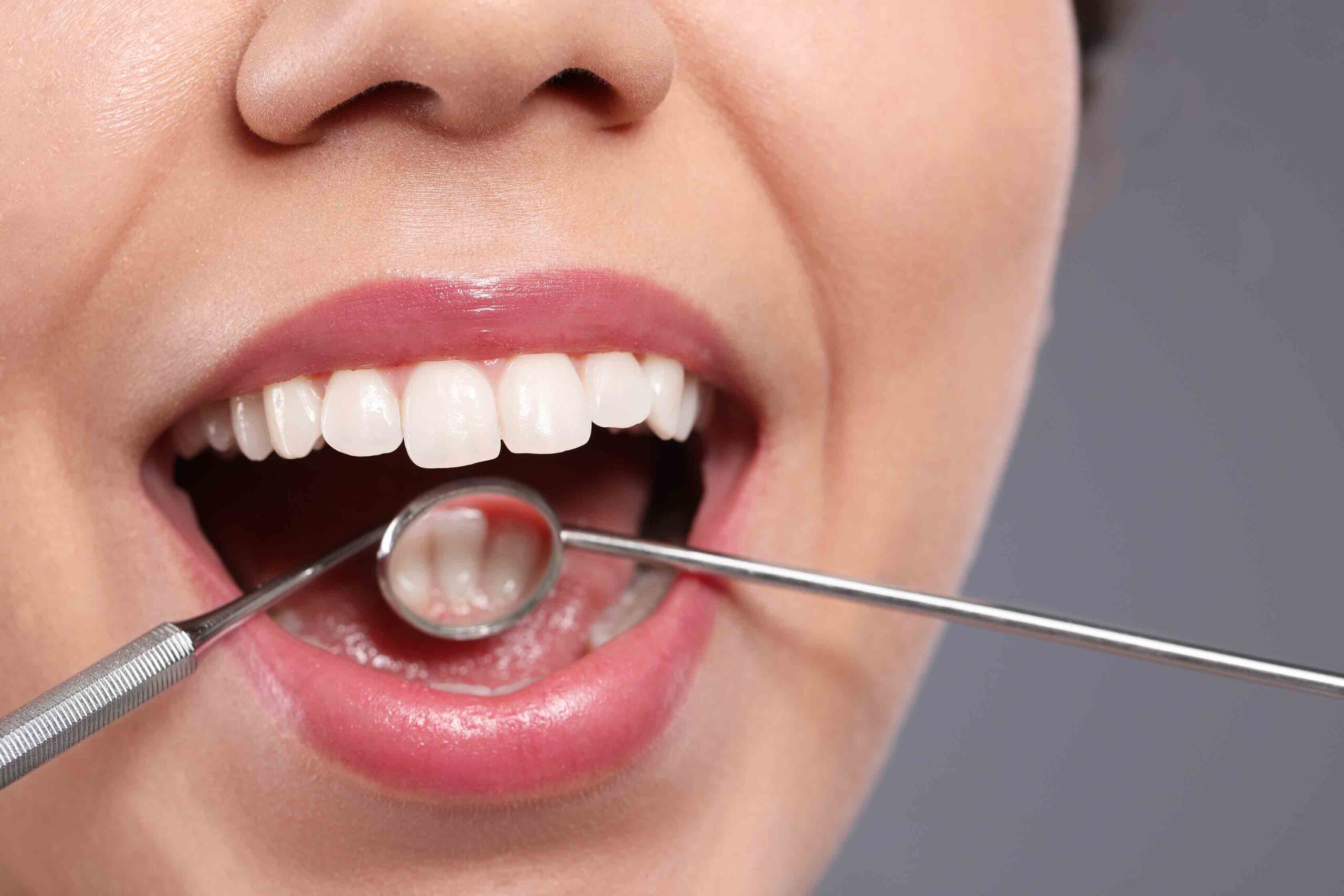
Examining woman's teeth with dentist's mirror on grey background, closeup
Smiling young woman brushing teeth in bathroom. Portrait of happy girl looking in mirror while using ecological toothbrush with whitening toothpaste. Beauty girl in bathroom cleaning teeth in the morning time.

Cost-Effectiveness

Dental bonding is a cost-effective option for minor cosmetic changes, while pricier veneers are suitable for more significant cosmetic enhancements. Additionally, bonding usually lasts up to 10 years, while porcelain veneers, known for durability, can often last up to 15 years or longer. However, the longevity of your treatment depends significantly on your care measures and oral hygiene routine.

Recovery Time

In terms of recovery, bonding is quick, minimally invasive, and requires no recovery time. Most patients typically experience little to no discomfort. While veneers are also considered minimally invasive, adjusting to the shells on your teeth may take a week or two. Some people experience temporary sensitivity, especially when consuming hot and cold foods and drinks.

What To Expect

The Dental Bonding Procedure

1

Shade selection

First, Dr. Bashi chooses a composite resin color that closely matches your natural tooth color.

2

Tooth preparation

He then roughens the tooth slightly and applies a conditioning liquid. These steps make sure the bonding material sticks to the tooth.

3

Applying the resin

Dr. Bashi molds the resin like a sculptor to achieve the desired shape.

4

Hardening

An ultraviolet light hardens the resin material.

5

Trimming and shaping

After hardening, Dr. Bashi trims, shapes, and polishes the material to match the sheen of the rest of the tooth’s surface.

Expert Care

Visit Us Today to Learn More About Dental Bonding

Dental bonding offers a straightforward and effective way to enhance your smile’s appearance. It’s a testament to how simple, minimally invasive procedures can significantly impact your oral wellness. Contact us today to schedule a free consultation with Dr. Bashi to determine if bonding is the right treatment option for you.

Dental Implants

Frequently Asked Questions

Does dental bonding hurt?

Dental bonding is usually painless, as the treatment avoids sensitive nerves inside the tooth, eliminating the need for anesthesia. Some individuals may experience temporary sensitivity afterward, particularly in cases of more extensive damage. However, over-the-counter pain relievers can effectively manage discomfort.

How much does dental bonding cost?

The cost of bonding treatment will depend on several factors, such as the type of bonding used, the purpose of the procedure, the extent of treatment needed, and the location of the tooth.

We understand that treatment cost is an important consideration for our patients. At our practice, we strive to make quality dental bonding accessible to all. We will file a claim with your dental insurance company to maximize your coverage. To ensure affordability, we collaborate with third-party financing companies that provide various payment options so your treatment fits within your budget.

Is dental bonding better than veneers?

The choice between dental bonding and veneers depends on your specific dental concerns and the extent of the treatment needed. Dental bonding is suitable for addressing minor imperfections, such as small chips or discoloration. Veneers offer a comprehensive solution for more extensive issues. If you’re looking for a Hollywood smile, porcelain veneers may be ideal.

Whether you opt for dental bonding or veneers is based on the nature and severity of your concerns. At your free consultation, Dr. Bashi will provide personalized guidance to determine the most effective and suitable option for your situation.

Does dental bonding look natural?

The resin used for dental bonding treatment is designed to provide a natural and aesthetic appearance. Dr. Bashi meticulously matches the resin material to the shade of your natural teeth, creating a nearly undetectable solution. When expertly applied by Dr. Bashi, bonding can achieve a natural look, effectively concealing imperfections.