Best Care Dental · Colorado Springs

Wisdom Teeth Removal in Colorado Springs

Wisdom teeth removal may be recommended when their position or condition creates problems. An examination and appropriate X-rays help determine whether removal or monitoring is suitable.

Request a free consultation ↓

Watch: When Is Wisdom Teeth Removal Necessary?
Dr. Vahid Bashi explains this topic. Read the detailed answer →

Schedule your visit

Request a Free Consultation

Tell us how to reach you. Our team will contact you to confirm an available appointment.


    Prefer to call? (719) 528-8292

    Understand your care

    Your Treatment, Explained

    With a name like “wisdom teeth,” you might consider these molars essential to your dental anatomy. However, for many people, these teeth cause issues such as overcrowding and misalignment. At the Mini Dental Implant Center of America in Colorado Springs, we can extract problematic wisdom teeth so they do not compromise your oral health.

    What Are Wisdom Teeth?

    Wisdom teeth are the molars furthest back in your mouth. Also called “third molars,” they earned their nickname due to their late arrival. They typically emerge in your late teens to early twenties, a time traditionally associated with gaining wisdom. These molars are the last to emerge, symbolizing a transition to adulthood.

    These teeth can be a valuable asset to your mouth when they’re healthy and properly aligned, helping you chew and maintaining your jawbone health. However, more often than not, they come in misaligned and require removal.

    Nowadays, these teeth are mostly seen as unnecessary. While our ancient ancestors needed wisdom teeth to chew and bite effectively, our modern diet and eating habits have improved our chewing ability. As a result of these advancements, our modern jawbones have become smaller, meaning that most people don’t have the space for their third molars to erupt properly.

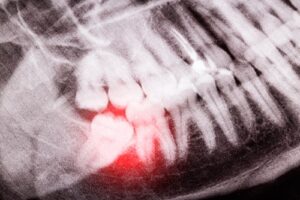
    dentist showing and explaining dental x-ray picture with impacted wisdom tooth to his patient

    Your Wisdom Teeth: When Extraction Is Necessary

    Wisdom teeth extraction is needed when your third molars are causing problems or are likely to in the future. It is typically a proactive step to ensure the well-being of your dental health and prevent potential complications or emergency removal. We typically recommend extraction in the following scenarios:

    Impaction

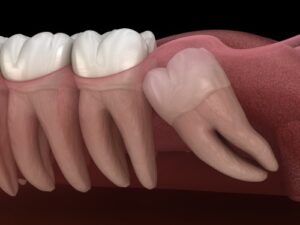
    An impacted tooth is trapped in your gums or bone. When teeth are impacted, they do not emerge from the gums properly. This is often due to a lack of space, which can cause the tooth to develop at an incorrect angle that can damage other teeth. Impacted teeth can result in pain, swelling, and infection of the gum tissue surrounding the tooth.

    Infection

    Partially emerged wisdom teeth can be hard to see and clean, making them more vulnerable to cavities and gum disease. Extraction reduces the risk of oral health issues, such as decay and gum disease, in these hard-to-reach areas.

    Overcrowding

    Removal is based on the position and health of the wisdom teeth, associated disease, and risk to nearby structures. It is not automatically necessary for every patient. An examination and appropriate imaging guide the recommendation.

    The best way to prevent any of these issues from arising is to attend regular dental checkups. At your routine visits, Dr. Bashi can monitor the progression of your wisdom teeth to ensure you never experience any discomfort.

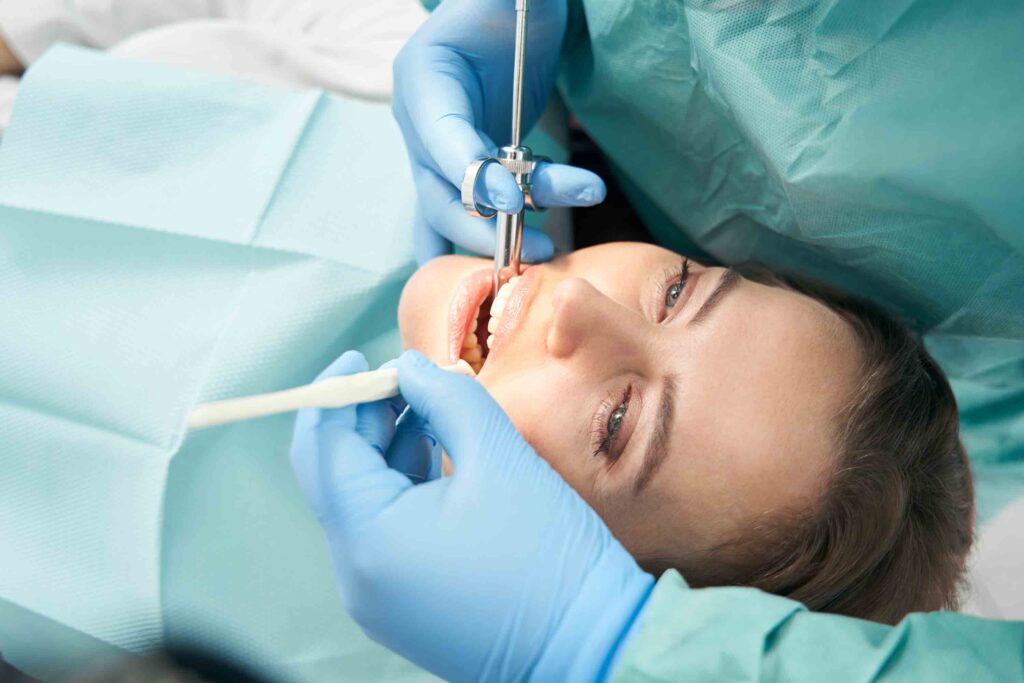
    Close up of dentist hands in sterile gloves doing local anesthesia injection before dental procedure in stomatology clinic

    Wisdom Teeth Extraction Process

    Removal is based on the position and health of the wisdom teeth, associated disease, and risk to nearby structures. It is not automatically necessary for every patient. An examination and appropriate imaging guide the recommendation.

    Consultation

    At your initial consultation, Dr. Bashi will determine whether your wisdom teeth need extraction. He will use advanced imaging techniques to evaluate the position of your wisdom teeth and their impact on the jawbone. Dr. Bashi will also ask you about your medical and dental history and any symptoms you may be experiencing.If extraction is necessary, we will create your personalized treatment plan, provide detailed instructions about the procedure, and schedule your oral surgery. You will have the chance to ask Dr. Bashi any questions about the procedure and recovery.

    The Extraction Procedure

    At the beginning of your procedure, we will administer local or general anesthesia so you do not feel any pain during the procedure. If your wisdom tooth hasn’t emerged, Dr. Bashi will make a small incision to access it. Depending on the tooth’s size and angle, it might be necessary to cut it into smaller pieces for extraction. Once the tooth is removed, Dr. Bashi will close the incision with stitches and place gauze over the area to facilitate blood clot formation, which protects the socket. While more complex procedures can take longer, extracting wisdom teeth takes about an hour or less.

    Recovery and Aftercare

    After removing your wisdom teeth, Dr. Bashi will give you clear instructions for post-surgery care. This includes details on maintaining oral hygiene, managing discomfort with medications and home care, and what activities to avoid during recovery. Depending on the complexity of your case, we may schedule a follow-up appointment to monitor your healing progress and ensure a smooth recovery.


    Quick answers

    Frequently Asked Questions

    How early should wisdom teeth be removed?

    Wisdom teeth extractions are often performed during the late teens or early twenties when the teeth start emerging. According to the American Association of Oral and Maxillofacial Surgeons, it is easier to extract wisdom teeth in younger patients because the roots haven’t formed entirely, the bone is softer, and there is less risk of damaging nerve structures. However, patients can have their teeth removed at any age if they start to cause problems.

    Protecting the blood clot that forms in your empty socket is one of the most important factors for ensuring a smooth recovery. The blood clot protects the socket and underlying bone. If you dislodge the clot, you may experience a painful condition known as a dry socket.

    After extraction, we recommend avoiding strenuous exercise, smoking, using straws, and consuming hot or spicy foods since these can disrupt the blood clot and irritate the extraction site. It is also important to be cautious with your oral hygiene routine and follow Dr. Bashi’s post-surgery instructions.

    The recovery window varies from patient to patient and depends on the number of teeth removed and the complexity of the surgery. However, recovery generally spans one to two weeks. Some patients can return to their regular routines in three to five days.

    After your procedure, Dr. Bashi will give you post-operative instructions and an estimate of your recovery time based on your treatment needs.

    Related Reading

    Wisdom Teeth

    Wisdom teeth are the large teeth in the very back of your mouth that grow in during your late teens [...]

    Read article
    Extractions

    A simple tooth extraction is an in office procedure that can be completed by your regular doctor, involving specialized tools [...]

    Read article

    Personalized care starts here

    Let’s Plan Your Next Step

    Meet with Dr. Bashi to understand your options and receive a personalized treatment plan.

    Request My Free Consultation Call (719) 528-8292

    6425 Wall St, Colorado Springs, CO 80918