Types of Dental Implants:
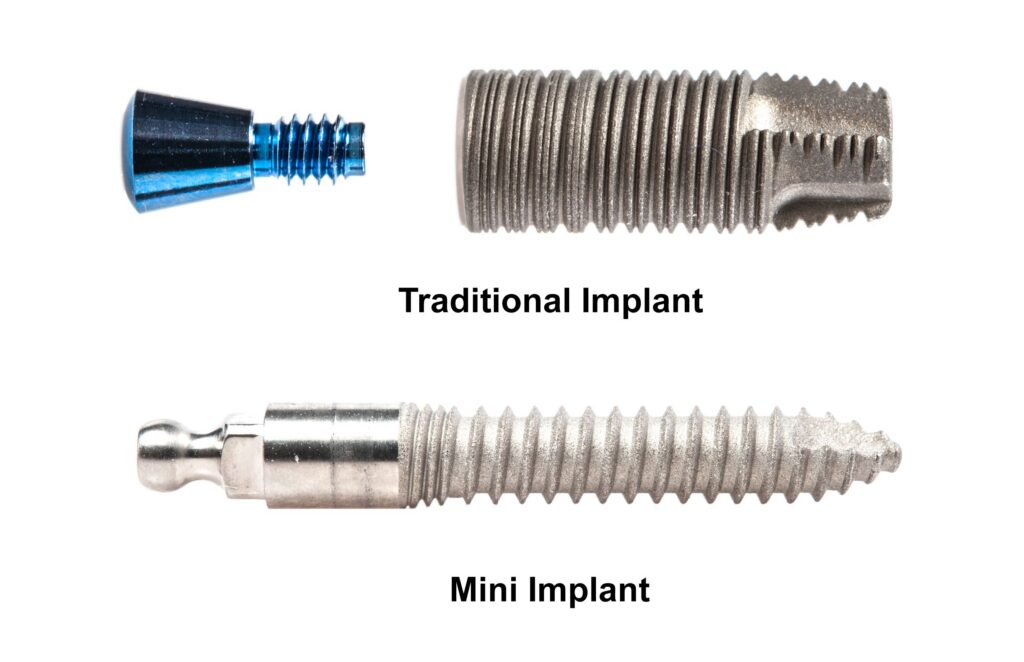
Traditional Implants
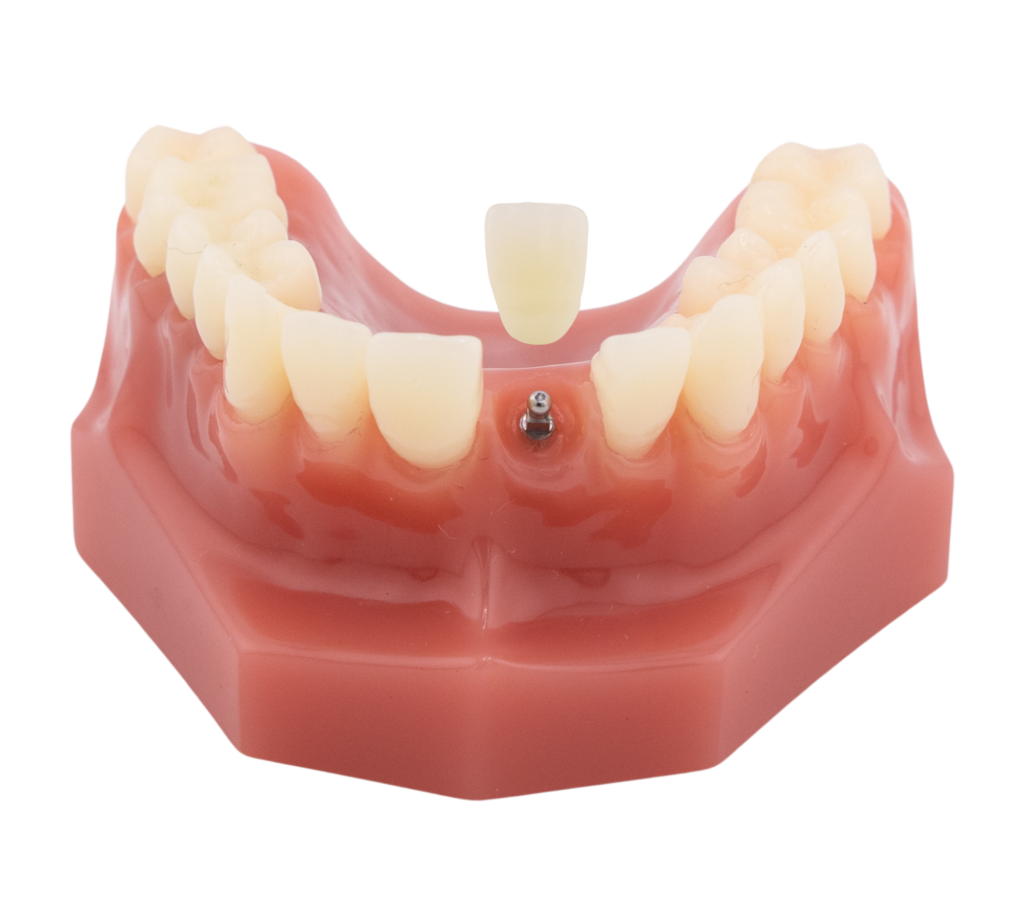
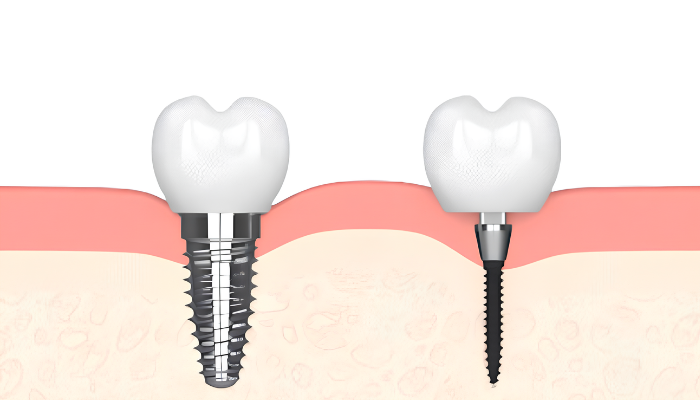
Traditional dental implants come in different sizes and commonly use a separate abutment to connect the implant to a crown, bridge, or denture. Available bone and the planned restoration determine the appropriate size and approach. Some patients need bone grafting, which can add healing time; others do not.
After a conventional implant post is placed, it is important to wait several months to allow the screw to fully integrate with the jawbone. When this is complete, Dr. Bashi can attach your final restoration. Ultimately, replacing a tooth with larger traditional implants can take up to a year, especially if a bone graft is needed.
Mini Dental Implants
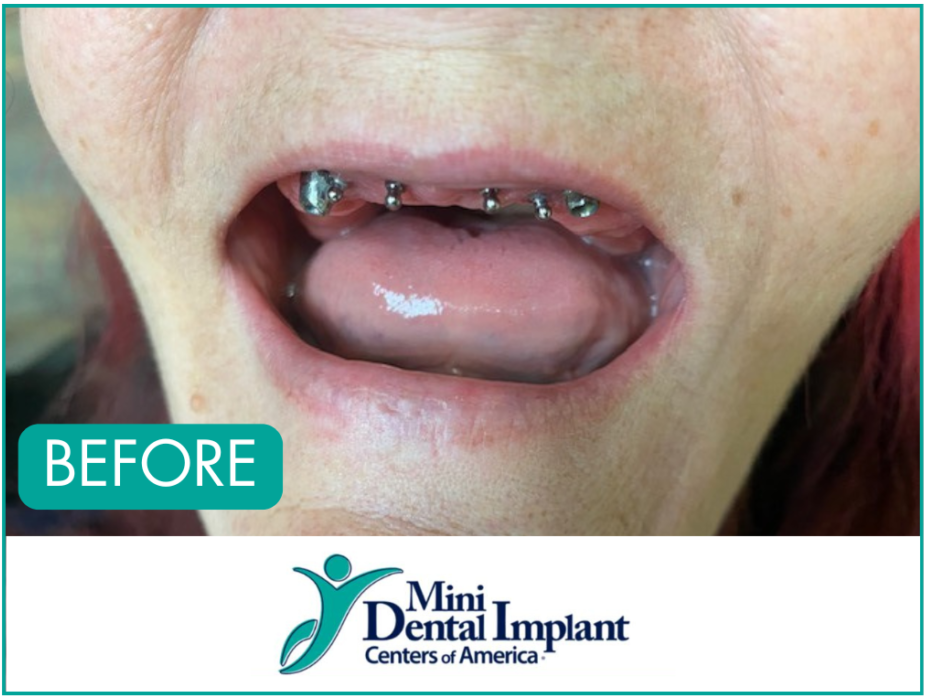
Mini dental implants use narrower posts and may suit selected patients and restorations. Some people may avoid grafting, but this depends on the amount and quality of bone, the treatment site, and the planned restoration. An examination and appropriate imaging are needed to compare options.
As a result, these narrow-diameter implants are especially beneficial for those with limited bone volume and individuals seeking an expedited dental implant process. Due to their smaller size, mini dental implants also facilitate quicker healing and reduce discomfort.
Mini dental implants may be right for you if:
- You are looking for a minimally invasive tooth replacement solution.
- Quick recovery time is important to you.
- You have budget considerations, and a cost-effective solution is a priority.
- You want a tooth replacement option that enables immediate results and contributes to long-term oral health.