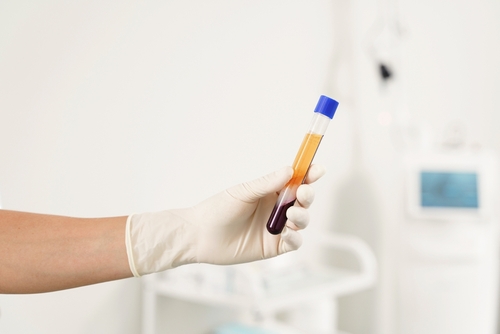
PRP stands for platelet-rich plasma. It is prepared from a sample of your own blood and may be used alongside selected dental procedures to support healing.
At the Mini Dental Implant Center of America in Colorado Springs, we are always searching for ways to enhance patient comfort and healing. Platelet-rich plasma (PRP) therapy is an advanced treatment option that uses your blood’s healing properties to speed up recovery after dental procedures.
When you undergo PRP therapy, a small amount of your blood is drawn. This blood is then rapidly spun in a centrifuge machine, separating other components from the platelets and plasma. The proteins gathered are healing powerhouses containing growth factors that speed up tissue repair. This concentrated plasma is applied to the surgical area, helping your body heal naturally and efficiently.
Why We Offer PRP Therapy
PRP is an optional addition to selected procedures. Its expected benefit depends on the treatment and the individual patient; faster healing and fewer complications cannot be guaranteed.
PRP is also a great resource because it is autologous, meaning it comes from your body. This helps reduce the risk of allergic reactions. It’s a natural approach to healing, aligning with the trend of personalized medicine in healthcare.
The Role of PRP Therapy in Common Dental Treatments
PRP therapy is revolutionizing the way we approach common dental treatments, offering a promising avenue for enhancing healing and regeneration. Keep reading to learn more about its role in our procedures at the Mini Dental Implant Center of America in Colorado Springs.
Dental Implants
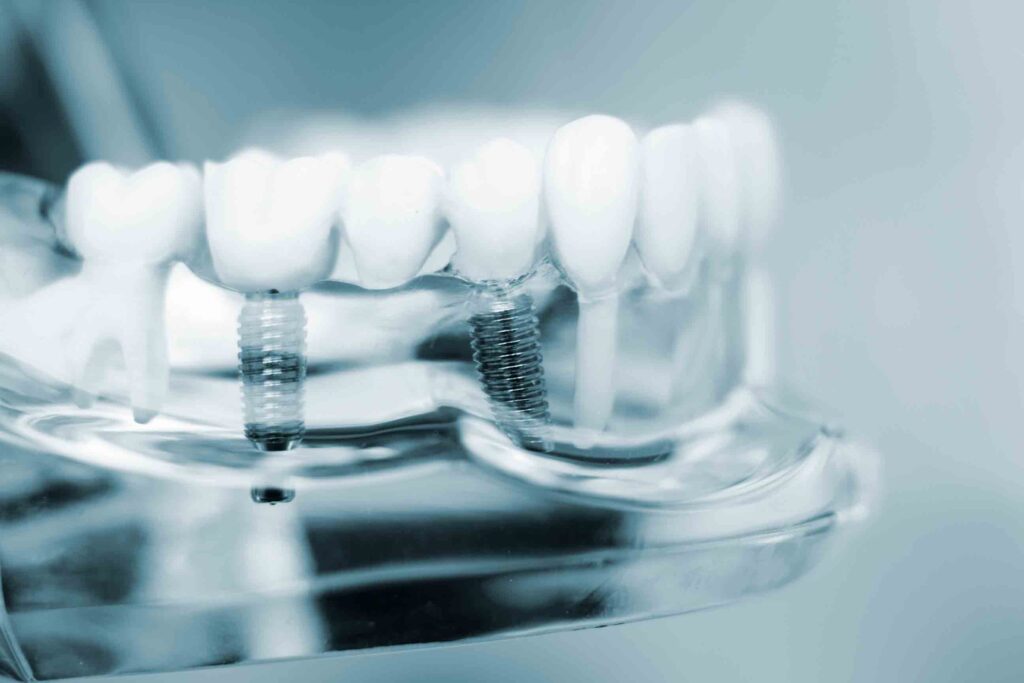
Dental implants need suitable bone and an appropriate healing period. PRP may be considered as part of the surgical plan, but does not replace careful placement, aftercare, and follow-up.
Bone Grafting
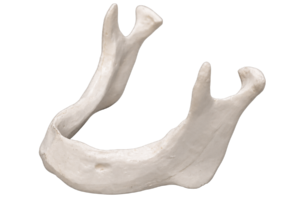
Bone grafting is required when a patient lacks enough bone density to support a dental implant. This procedure addresses the deficiency by adding new bone material to the insufficient area. This new material must then integrate with the existing bone. However, this integration and regeneration of new bone tissue is a slow process, often taking several months. During this period, the body works to incorporate the graft and fortify the bone structure to adequately support an implant.
PRP may be used alongside a bone graft. Dr. Bashi explains why it is being considered and whether the potential benefit is relevant to your treatment.
Gum Treatment
Selected gum procedures may incorporate PRP. The aim and expected benefit should be discussed as part of the overall periodontal treatment plan.
Tooth Extraction
PRP may be considered for selected extraction sites. Appropriate postoperative instructions and review appointments remain important.
How Patients Can Benefit From PRP Therapy
Faster healing
The most impressive benefit of this therapy is its ability to speed up the body’s natural healing process. This isn’t just about saving time; it’s about reducing the period of discomfort that may follow a dental procedure. Quicker healing means less time away from your favorite activities and less time worrying about recovery.
Reduced pain and discomfort
Comfort and recovery vary. The dentist explains appropriate pain-control measures and the role, if any, of PRP in your care.
Natural and safe
PRP comes from your own blood. It still involves a blood draw and a clinical procedure, so medical history, medications, and possible complications must be considered.
Peace of mind
Our practice never minimizes the psychological aspect of dental treatments. Knowing that you’re using a cutting-edge, body-friendly treatment can provide significant mental and emotional comfort. This peace of mind can be a powerful part of your healing journey.
Watch and learn
Answers From Dr. Bashi
Watch a short video or read the detailed answer at your own pace.
After PRP treatment, patients should avoid activities or behaviors that may strain the treated area. This includes refraining from vigorous exercise, smoking, and consuming alcohol for a specified period. Additionally, it’s advisable to steer clear of certain medications that may interfere with the healing process. Dr. Bashi will give you detailed instructions to ensure the best treatment results.
Certain individuals may not be eligible for PRP therapy. This includes those with certain medical conditions like bleeding or clotting disorders. Additionally, this therapy may not be suitable for individuals with conditions such as cancer, active infections, unstable angina, or blood disorders like anemia or severe hypovolemia (low blood volume).
Suitable candidates for PRP must have normal platelet function, making those with platelet disorders ineligible for this treatment. The decision on eligibility is based on Dr. Bashi’s thorough assessment of your medical history.
PRP injections are generally low risk, with minimal likelihood of major side effects. Since PRP is derived from your cells and plasma, the risk of allergic reactions is lower than other injectable medications.
While rare, potential risks include bleeding, tissue damage, infection, and nerve injuries. At your free consultation, Dr. Bashi will discuss the benefits and risks to help you make an informed decision about your dental treatment.