Best Care Dental · Colorado Springs

Tooth Extraction in Colorado Springs

When a tooth cannot be restored or is causing problems, extraction may be recommended. We explain the procedure, comfort options, healing, and any tooth-replacement choices before treatment.

Request a free consultation ↓

Watch: How Soon After an Extraction Can I Get a Dental Implant?
Dr. Vahid Bashi explains this topic. Read the detailed answer →

Schedule your visit

Request a Free Consultation

Tell us how to reach you. Our team will contact you to confirm an available appointment.


    Prefer to call? (719) 528-8292

    Understand your care

    Your Treatment, Explained

    Tooth extraction can seem intimidating. While preserving natural teeth is always our first aim, removing a compromised tooth is sometimes needed to maintain oral health. This procedure, while common, stirs up concerns for many patients. Rest assured, our commitment is to make this experience as comfortable and stress-free as possible, focusing on your well-being and the long-term health of your smile. Despite the unease they may provoke, extractions are crucial for addressing oral health issues and setting the foundation for a healthier dental future.

    When Does a Tooth Need Extraction?

    Our primary objective is to preserve the natural tooth whenever possible. However, there are situations where alternative treatments may not be sufficient. In these cases, tooth extraction often becomes necessary to ensure your overall dental well-being.Some common reasons why a tooth may need to be removed include:

    Severe tooth decay

    When a tooth is severely decayed, and we cannot use fillings or crowns to restore the tooth, extraction is often necessary.

    Root canal infection

    Dr. Bashi may need to pull the tooth if its inner pulp is so damaged from infection that it cannot be saved with standard root canal treatment.

    Periodontal disease

    In the advanced stages of gum disease, heightened tooth instability and the risk of infecting other teeth may lead to extraction.

    Extensive damage

    If a tooth is too damaged from trauma to be repaired, it may need to be pulled.

    Overcrowding

    To prepare for orthodontic treatment, teeth are sometimes removed to create space.

    Wisdom tooth complications

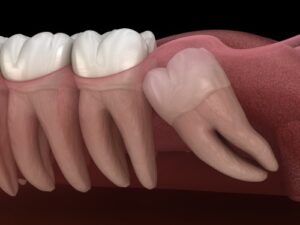
    Wisdom teeth may require extraction if they are impacted or are causing significant pain. Additionally, removal may be recommended if it’s clear that the teeth are likely to cause problems in the future.

    Extractions in Colorado Springs, CO Tooth Extraction Dentist

    Types of Extractions

    The distinction between simple and surgical extractions lies in the complexity of the procedure. The type you need depends on the condition of your tooth and its location in the mouth.

    We perform simple extractions when a tooth is visible and easily accessible. These are often performed on teeth with a single, straight root and fully erupted crowns.

    Conversely, a surgical extraction is necessary for more intricate cases, such as teeth that are impacted or broken beneath the gums. For these procedures, Dr. Bashi makes a controlled incision in the gum tissue to access the tooth.

    Customer and dentist looking at the results in a screen in a modern dental clinic

    The Tooth Extraction Process

    Our team takes great care to ensure that each patient feels comfortable and informed about the tooth extraction process. Here’s a look at what you can expect:

    Initial Consultation

    The process begins with a comprehensive oral exam. Dr. Bashi will discuss your dental history, examine your teeth and gums, and take necessary X-rays. This step is crucial as it helps Dr. Bashi assess the condition of your tooth and plan the best extraction approach. At your visit, he will also explain why tooth removal is necessary, discuss what the procedure entails, and answer any questions. This is the perfect time to discuss any anxieties or concerns you might have about the procedure.If you think you may need an emergency extraction, please call us immediately so that we can see you the same day. An emergency extraction becomes necessary when a tooth needs to be removed within 24 to 48 hours. This urgency is warranted in cases of severe pain, such as with deep breaks, large cracks, or other situations jeopardizing your oral health.

    Extraction Procedure

    Before the extraction, we will apply local anesthesia to numb the area around the tooth, ensuring a pain-free procedure. Additional sedation options may be available to keep you comfortable and relaxed.Once the area is numb, Dr. Bashi will use special tools to gently rock the tooth back and forth until it’s loose enough to remove.

    While you may feel pressure during this process, you shouldn’t experience pain. For more complicated extractions, Dr. Bashi will make an incision to access the tooth. He may remove the tooth in sections so that less force is needed to extract it.At the end of your procedure, you will be instructed to bite down on a gauze pad, facilitating the formation of a blood clot in the empty socket.

    Aftercare and Healing

    After the procedure, we will provide you with detailed aftercare instructions. These will cover caring for the extraction site, managing pain, and recognizing signs of any potential complications. Dr. Bashi may also recommend a follow-up appointment to ensure your recovery progresses smoothly. For the initial 24 hours, it’s important to refrain from rinsing, spitting, or using a straw, as these actions can disrupt the healing process.

    After the initial 24 hours have passed, you can begin rinsing your mouth gently with warm salt water to promote cleanliness and aid in healing. Stick to a diet of soft foods during the initial stages of recovery, gradually reintroducing other foods as the extraction site heals.The recovery period is typically one to two weeks.

    However, as time progresses, the absence of a permanent tooth can cause the remaining teeth to shift, impacting your bite and complicating the chewing process. To maintain proper alignment, we may recommend replacing the missing tooth with a dental implant. With minimally invasive mini dental implants, Dr. Bashi can typically remove the tooth and place the implant during the same visit.

    Quick answers

    Frequently Asked Questions

    When can I eat again after an extraction?

    After an extraction, waiting a few hours before eating is advisable. During this initial period, consume cool liquids or very soft foods to avoid disrupting the healing process. The following day, continue to eat a soft diet with foods like yogurt, mashed potatoes, apple sauce, and eggs. As your recovery progresses, you can gradually reintroduce regular foods as comfort allows.Additionally, be mindful of the extraction site and refrain from eating on that side to prevent irritation. Remember to follow any specific instructions Dr. Bashi provides for the best post-extraction care.

    How long a tooth extraction takes varies based on the procedure’s complexity. The tooth’s position and condition, as well as your individual circumstances, can impact the procedure length. On average, a straightforward extraction may take around 20 minutes to an hour.However, more complex cases, such as surgical extractions or the removal of impacted teeth, can take longer. At your free consultation, Dr. Bashi will provide you with a more specific timeframe based on your unique situation.

    While some discomfort is normal following a tooth extraction, the procedure itself is typically not painful. Dr. Bashi will administer local anesthesia to numb the area, ensuring you don’t feel any pain. After the extraction, you may experience some discomfort that can be mitigated with pain management techniques. Additionally, if you opt for PRP therapy, you’ll experience less pain and an accelerated recovery.

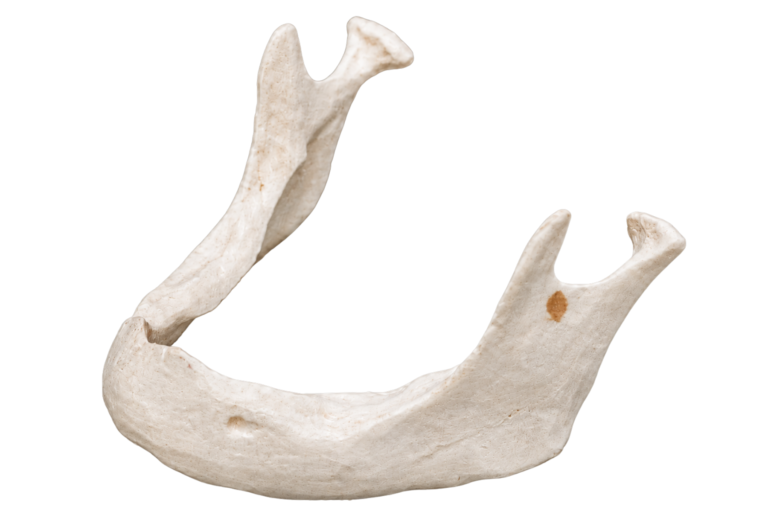
    Bone Loss Stage 3

    Understand your jawbone

    What Happens After a Tooth Is Lost?

    See the progression of jawbone resorption and learn how replacing missing teeth with dental implants can help preserve bone.

    View the Illustrated Bone-Loss Guide

    Related Reading

    Extractions

    A simple tooth extraction is an in office procedure that can be completed by your regular doctor, involving specialized tools [...]

    Read article
    Wisdom Teeth

    Wisdom teeth are the large teeth in the very back of your mouth that grow in during your late teens [...]

    Read article

    Personalized care starts here

    Let’s Plan Your Next Step

    Meet with Dr. Bashi to understand your options and receive a personalized treatment plan.

    Request My Free Consultation Call (719) 528-8292

    6425 Wall St, Colorado Springs, CO 80918