
Best Care Dental · Colorado Springs
Jawbone Loss After Tooth Loss: Stages and How Implants Help
When a tooth is lost, the supporting jawbone can shrink. See how that change progresses, why replacing missing teeth matters, and how we use mini and traditional implants to help preserve bone.
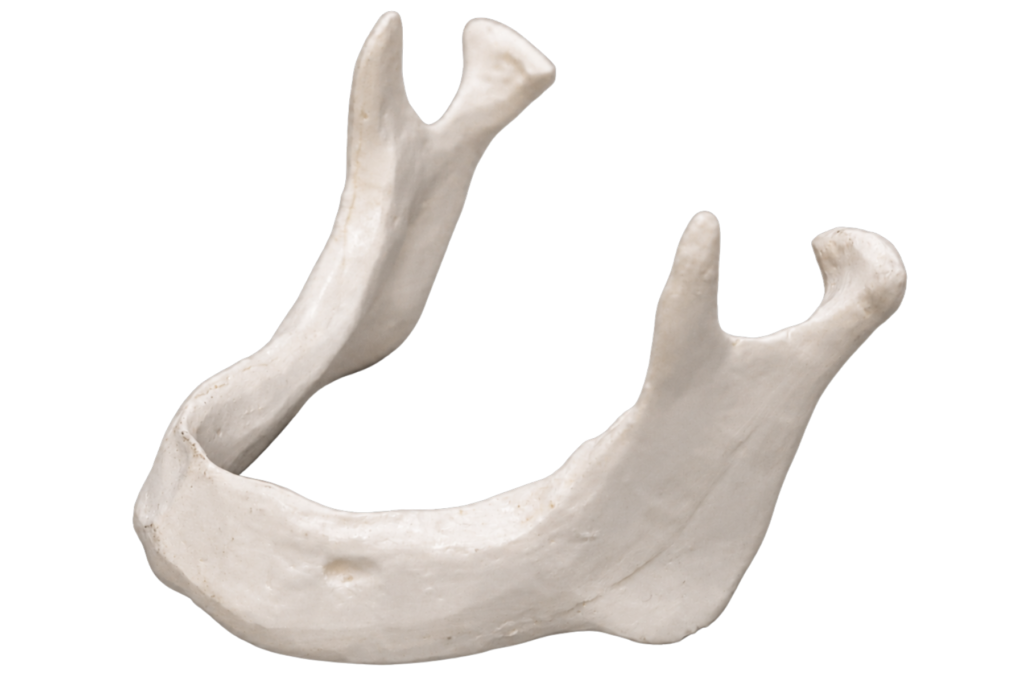
An illustrated guide to changes in the lower jaw after tooth loss.
Schedule your visit
Request a Free Consultation
Tell us how to reach you. Our team will contact you to confirm an available appointment.
Prefer to call? (719) 528-8292
What Happens to Jawbone After a Tooth Is Lost?
The bone around a tooth receives stimulation through chewing. After the tooth and its root are gone, the area remodels and can lose volume. This is called bone resorption. It can begin before you notice an obvious change in your smile.
A missing tooth is more than a visible space. Tooth loss can change chewing and speech, and extensive bone loss may reduce support for facial tissues. A conventional denture replaces visible teeth but does not replace their roots. As the supporting ridge changes, the fit of the denture can change too.
At Best Care Dental, we assess the remaining bone and discuss replacement options with you. If an extraction is planned, we can also discuss the next steps before the tooth is removed.
Jawbone health
A Visual Guide to Progressive Bone Loss
These five illustrations show progressively reduced ridge volume in a lower jaw. They are educational examples, not a clinical staging system or a timeline. The amount and rate of change vary, and a single missing tooth usually affects a more localized area.
1. More ridge volume
The first illustration shows a taller, fuller ridge. This is the area of jawbone that supports teeth.
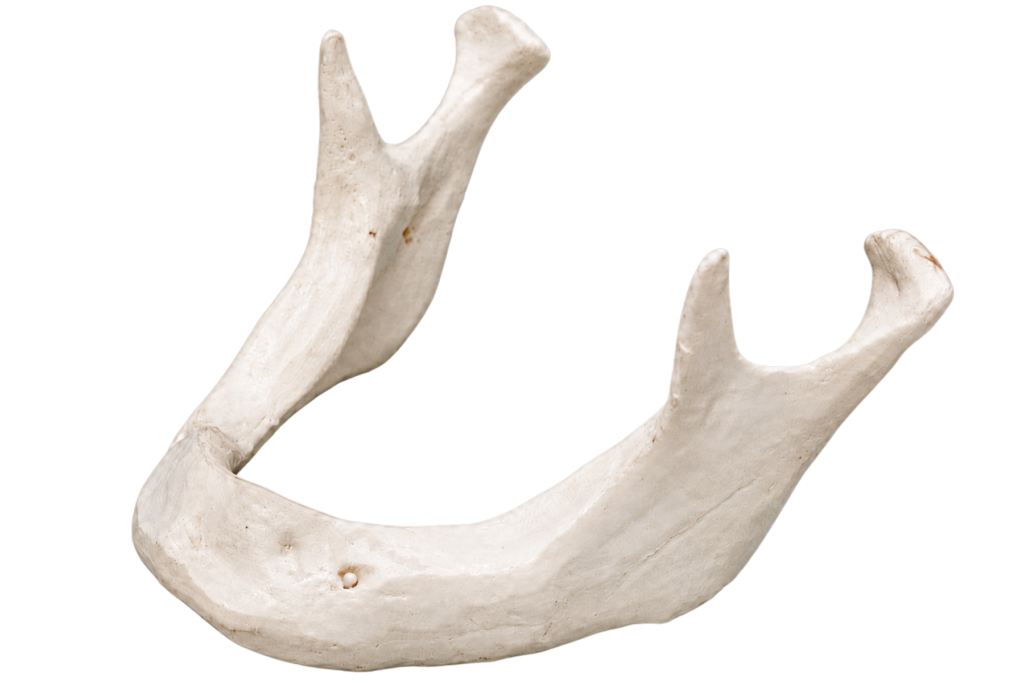
2. Initial reduction
The contour begins to reduce as bone remodels after tooth loss. Changes may be difficult to see in the mouth.
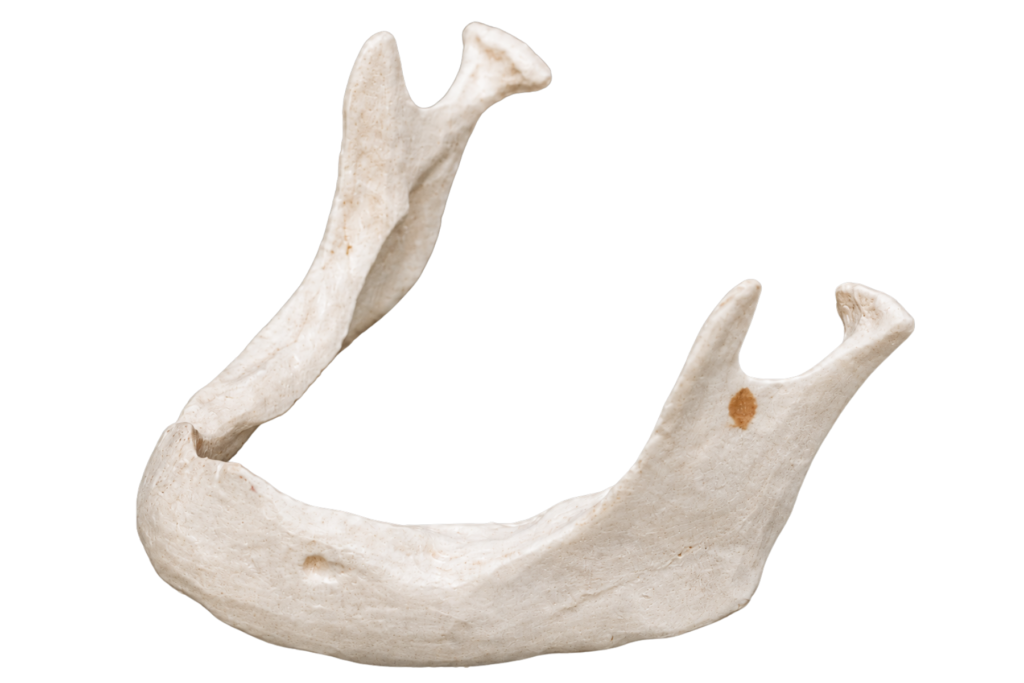
3. Further resorption
As volume decreases, the ridge provides less support for a conventional denture.
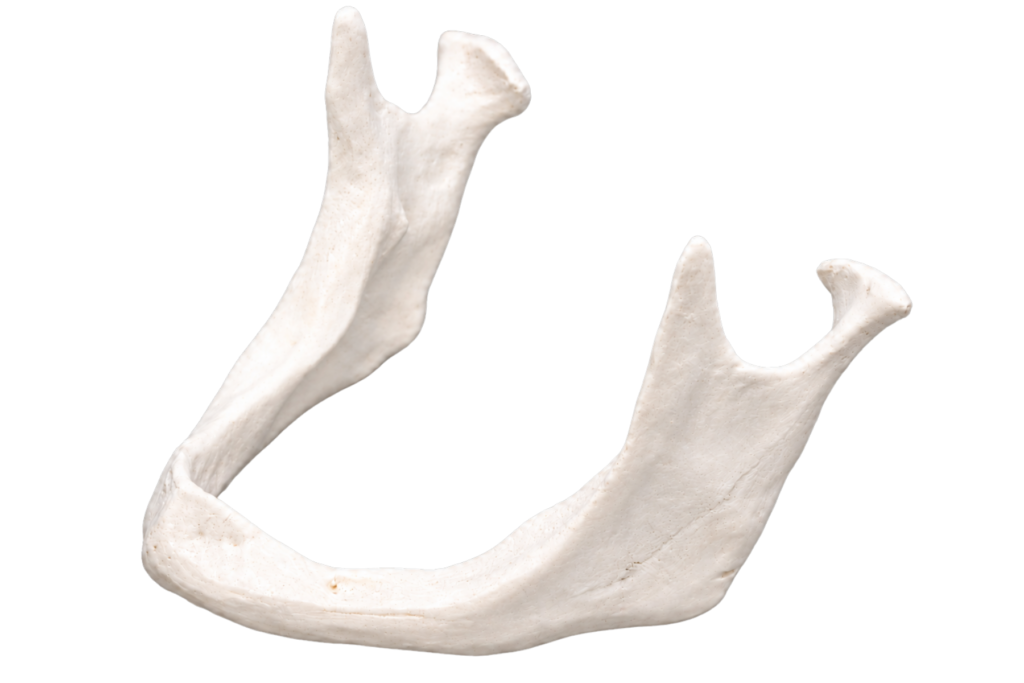
4. Greater ridge loss
More substantial loss changes the foundation available for replacement teeth and may complicate treatment planning.
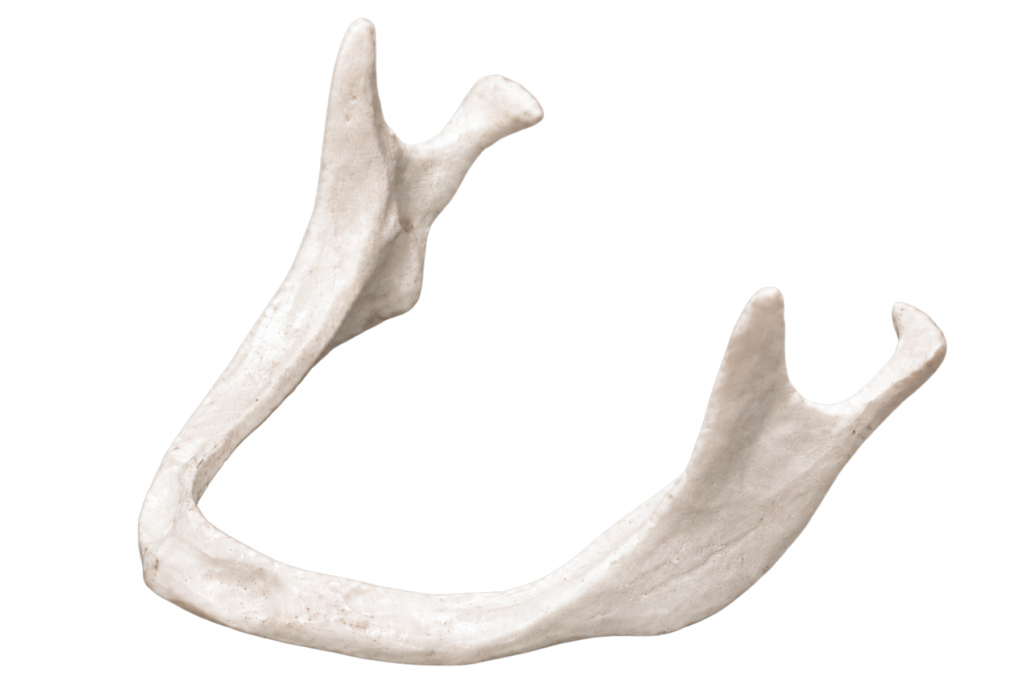
5. Advanced reduction
A markedly reduced ridge needs careful evaluation. Treatment may still be possible, but the approach must match the remaining bone.
How Do Dental Implants Help Preserve Bone?
An implant is placed in the jawbone to support a crown, bridge, or denture. Once integrated and functioning, it transfers chewing forces into the surrounding bone. This helps maintain bone around the implant and can reduce the shrinking associated with missing tooth roots.
Implants help preserve bone; they do not guarantee that all bone loss stops. Normal remodeling still occurs, and inflammation or infection around an implant can damage its supporting tissues. Daily cleaning and regular dental visits remain essential.
An implant also does not automatically rebuild bone that has already disappeared. When the available bone is insufficient for a stable, appropriately positioned implant, bone grafting or another treatment approach may be needed.
Mini or Traditional Implants: Which Is Right for You?
We offer both mini and traditional dental implants. Dr. Bashi evaluates your bone, bite, oral health, and the teeth being replaced before recommending an approach. Having both options helps us choose treatment around your needs.
Mini implants have a narrower diameter and can be useful in selected sites and restorations. They still need adequate supporting bone. Traditional implants provide another option for supporting replacement teeth. Neither design is the best choice for every patient.
We also consider the restoration itself: a single crown, an implant-supported bridge, a snap-in denture, or fixed full-arch teeth. During your free consultation in Colorado Springs, we explain suitable choices, their care requirements, costs, and expected treatment sequence.
Quick Answers About Bone Loss and Implants
Can I get implants if my tooth has been missing for years?
Possibly. The length of time alone does not determine eligibility. We examine your mouth and use appropriate imaging to assess the remaining bone and plan treatment.
Does a denture stop jawbone loss?
A conventional denture sits on the gums and does not restore stimulation through tooth roots. Implant-supported options connect the restoration to implants in the bone.
Will mini implants let me avoid a bone graft?
Sometimes a narrower implant can make use of existing bone, but grafting may still be necessary. We base that decision on the bone available, the implant position, and the restoration it must support.
Should I wait until bone loss is noticeable?
There is no need to wait for a visible change. An evaluation helps you understand your current options and plan replacement of a missing tooth.
Explore dental implants · Learn about mini implants · Compare denture options
Sources
Personalized care starts here
Let’s Plan Your Next Step
Meet with Dr. Bashi to understand your options and receive a personalized treatment plan.
6425 Wall St, Colorado Springs, CO 80918
