
Best Care Dental · Colorado Springs · 2026-06-19
Managing a Lost Filling or Crown Temporarily
Losing a dental filling or having a crown dislodge can be a startling experience that immediately alters how your mouth feels. While these common dental mishaps rarely constitute a life-threatening emergency, they do expose the delicate inner layers of your tooth to bacteria, temperature changes, and structural…

Schedule your visit
Request a Free Consultation
Tell us how to reach you. Our team will contact you to confirm an available appointment.
Prefer to call? (719) 528-8292
In This Article
Losing a dental filling or having a crown dislodge can be a startling experience that immediately alters how your mouth feels. While these common dental mishaps rarely constitute a life-threatening emergency, they do expose the delicate inner layers of your tooth to bacteria, temperature changes, and structural pressure. Managing this situation effectively requires a calm, systematic approach to protect your vulnerable tooth structure while you arrange for a professional repair. By understanding the immediate steps to take at home, you can successfully mitigate discomfort and minimize the risk of further damage before you step into the clinical setting.
Immediate Steps to Take After the Restoration Dislodges
The moment you realize a restoration has come loose, your initial priority should be locating and identifying the piece if possible. If a dental crown has detached completely, gently remove it from your mouth to ensure you do not accidentally swallow or inhale it. Carefully rinse the dislodged crown with warm water to remove any lingering debris, and store it in a secure container, as your provider can frequently sterilize and recement the original restoration. After securing the piece, thoroughly rinse your mouth with warm salt water to cleanse the exposed tooth area and remove any loose fragments of old dental cement.
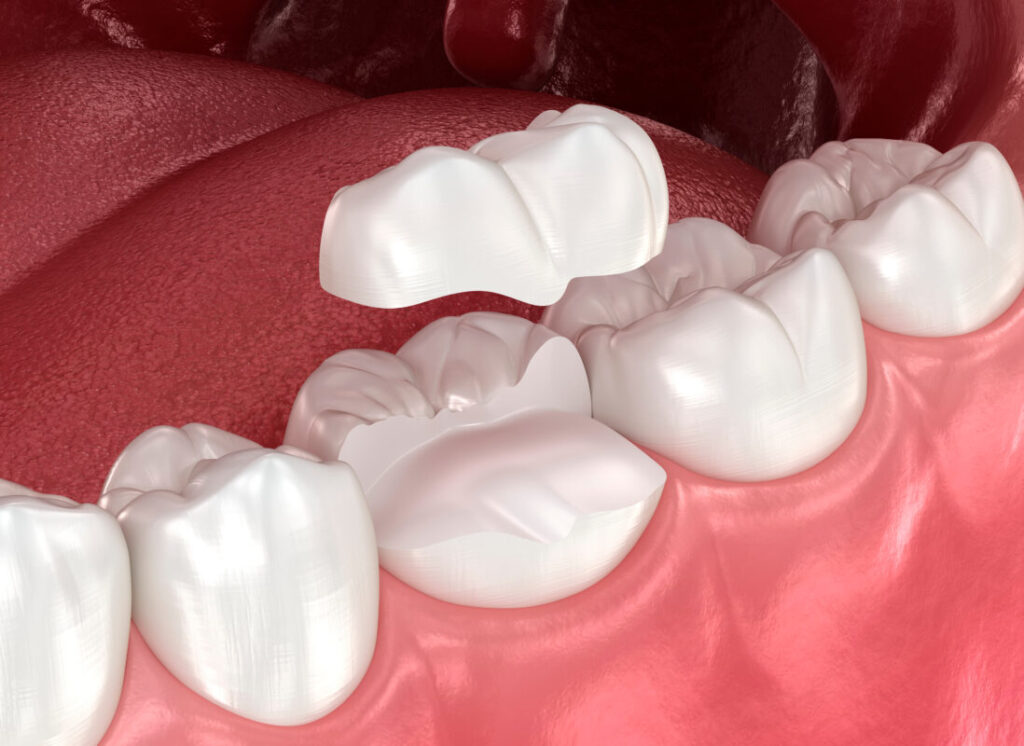
Safeguarding the Exposed Tooth Structure
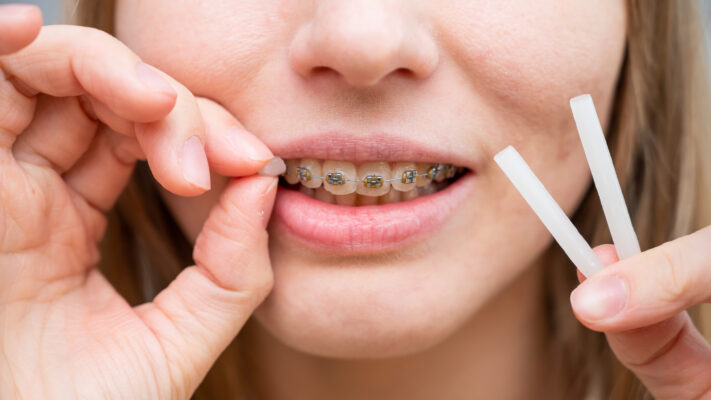
An exposed tooth is highly vulnerable to chemical irritation and thermal sensitivity because the protective outer layer of enamel is no longer sealing the inner dentin. To shield the area temporarily, you can purchase over-the-counter dental wax or temporary dental material at a local pharmacy. If you lost a filling, a small piece of softened dental wax can be gently pressed into the cavity to create a barrier against food and air. If you are dealing with a loose crown, applying a tiny dot of temporary dental adhesive to the inside of the cap and sliding it back over the tooth can provide an excellent short-term shield until your appointment.
Adjusting Your Habits Until Your Repair Appointment
While navigating a missing restoration, temporary lifestyle adjustments are vital for preventing structural fractures. Avoid chewing food directly on the affected side of your mouth, and entirely eliminate exceptionally hard, crunchy, or sticky items from your diet. Stick to soft foods and consume liquids at room temperature to keep painful nerve sensitivity to an absolute minimum. Continue to clean your other teeth normally, but exercise extreme caution when brushing and flossing around the exposed tooth structure to ensure you do not irritate the sensitive, exposed tissues.
At Best Care Dental / Mini Dental Implant Centers of America in Colorado Springs, the team provides comprehensive restorative solutions and responsive emergency support to address your unexpected dental needs promptly. If you need to replace a lost filling, require a professional evaluation for a loose crown, or want support restoring the full function of your smile, you can schedule your next visit with our dedicated team today.
Explore care at our practice
Dental Crowns
Learn about the treatment options available at Best Care Dental in Colorado Springs.
Watch and learn
Answers From Dr. Bashi
Watch a short video or read the detailed answer at your own pace.
Personalized care starts here
Let’s Plan Your Next Step
Meet with Dr. Bashi to understand your options and receive a personalized treatment plan.
6425 Wall St, Colorado Springs, CO 80918
